

I Thought Getting Here Was the Hard Part
Boxes, a burro, and a dead battery—and figuring it out in real time

A man called my name from across the store, and I did a quick double take before realizing he’d read it off my name tag. Then he asked, half serious, half joking, where we were hiding the donkeys.
I told him they’re actually burros, and if he drove the wildlife loop, he’d probably see them. He said they had just done it and didn’t see any, so now he had a problem. He wanted to buy the burro magnet, but only if I could guarantee they’d see one. Otherwise, he was going with the bison magnet.
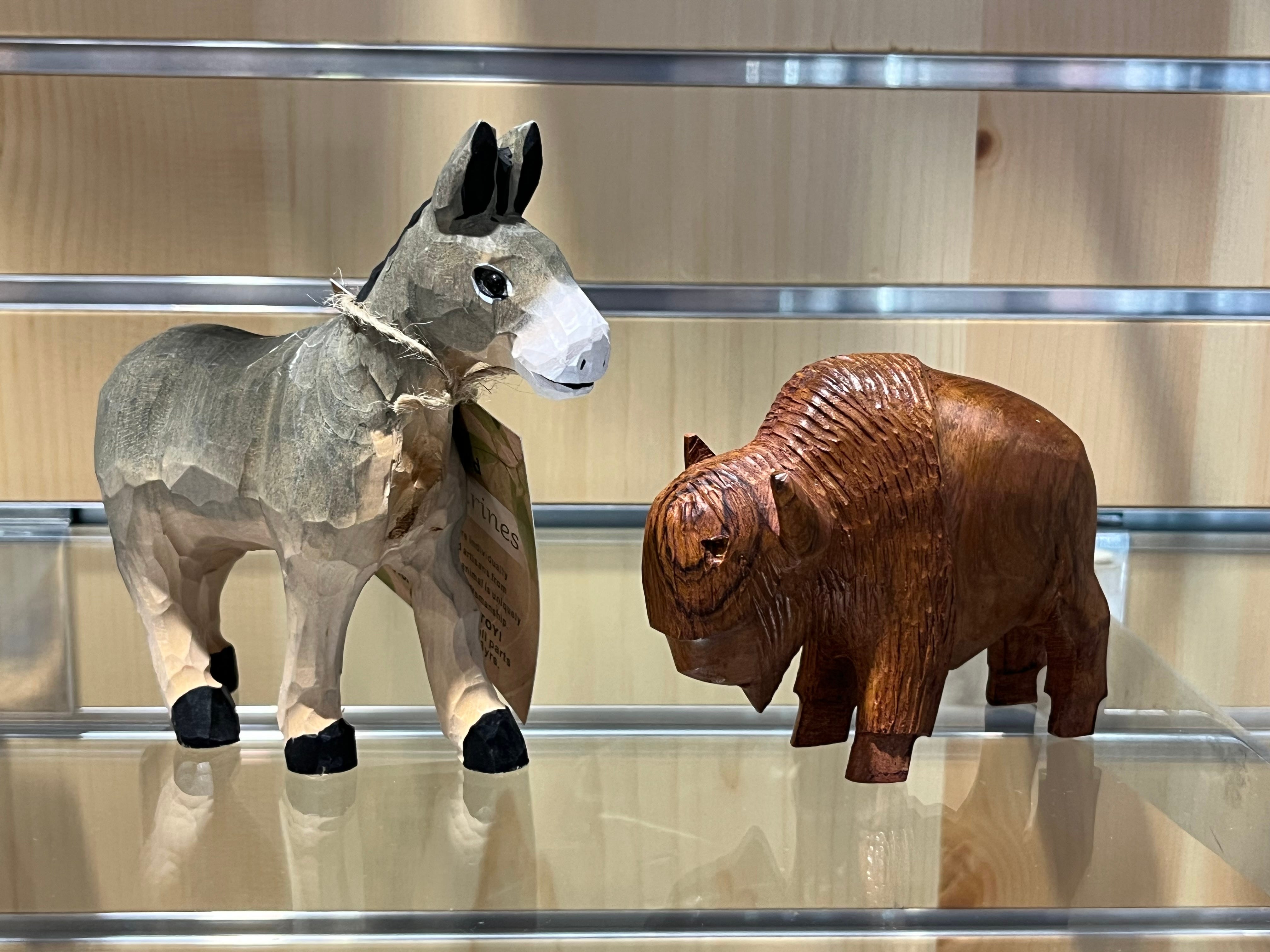
I told him to buy the bison now, and if he saw a burro later, he could come back for that one.
He laughed and told me I was the ultimate salesperson.
I spent twenty years solving complex problems for people who didn’t always want the solution. Now I’m negotiating the certainty of a burro sighting so a man can commit to a magnet.
Different stakes.
Same muscle.
I didn't expect the first thing I'd feel confident about to be a magnet negotiation
I thought the hard part would be getting here. The drive. The decision. Leaving something that no longer fit and choosing something different. That part felt clear.
The first week of work didn’t.
The day before I started, I hiked five miles in Hell Canyon. It was warmer down there, quieter, and something about the landscape settled me in a way I hadn’t expected. I remember thinking, this is going to be a good summer.
By Monday afternoon, I was standing in a store that had been closed all winter, opening boxes without really knowing where anything went.
There wasn’t much direction. The people who had been there before just started working. They knew the rhythm, even if they didn’t explain it. I found myself watching, trying to pick up patterns, stepping in where I could. Eventually I just started opening boxes and figuring it out as I went.
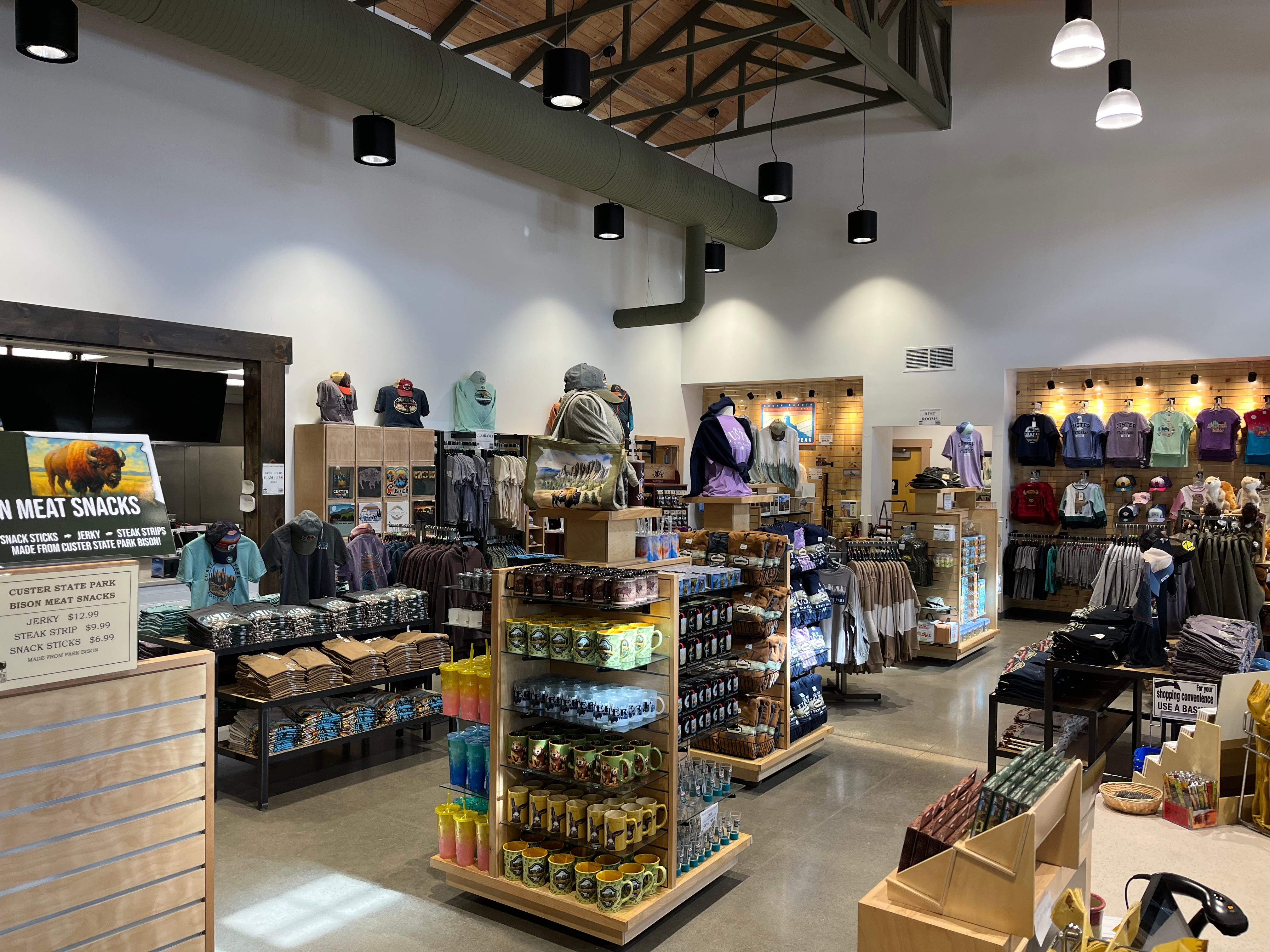
The cardboard dries your hands out faster than you expect. By the end of the day, the skin on my knuckles felt tight, catching on the edges of the boxes. My back felt different too. Less like sitting too long, more like something had actually been used.
The plan kept shifting. Originally, the store wasn’t supposed to open for a couple more weeks. By Monday, we were being told Friday.
So the week turned into long days of trying to get something ready that didn’t quite feel ready. Everyone working hard, but not always in the same direction. Waiting on decisions. Waiting on approvals. Starting something, stopping, moving to something else.
At one point I asked about starting on the t-shirts. What I could take on.
“Let’s wait on input from Eric.”
Later I asked where the sun catchers should go.
“Don’t worry about that, we’ll get to it.”
Overstock, same thing.
Each time, I stepped back.
I realized I wasn’t used to this. Having the willingness to work, but not a clear place to put it.
I’m used to knowing what’s expected. What needs to get done. Who’s responsible for what. How things should flow. That’s been most of my adult life. Rooms where people are looking for direction, and I either have it or know how to get it.
This felt different.
Here, I don’t know the system yet. I don’t know the preferences. I don’t even always know what I should be paying attention to. And no one is really explaining it.
The store opened.
Two days earlier it had been 80 degrees. By opening day, I was outside shoveling snow off the handicap ramp while it was still coming down.
All winter, the Black Hills had maybe three inches.
This week alone, it was pushing twelve.
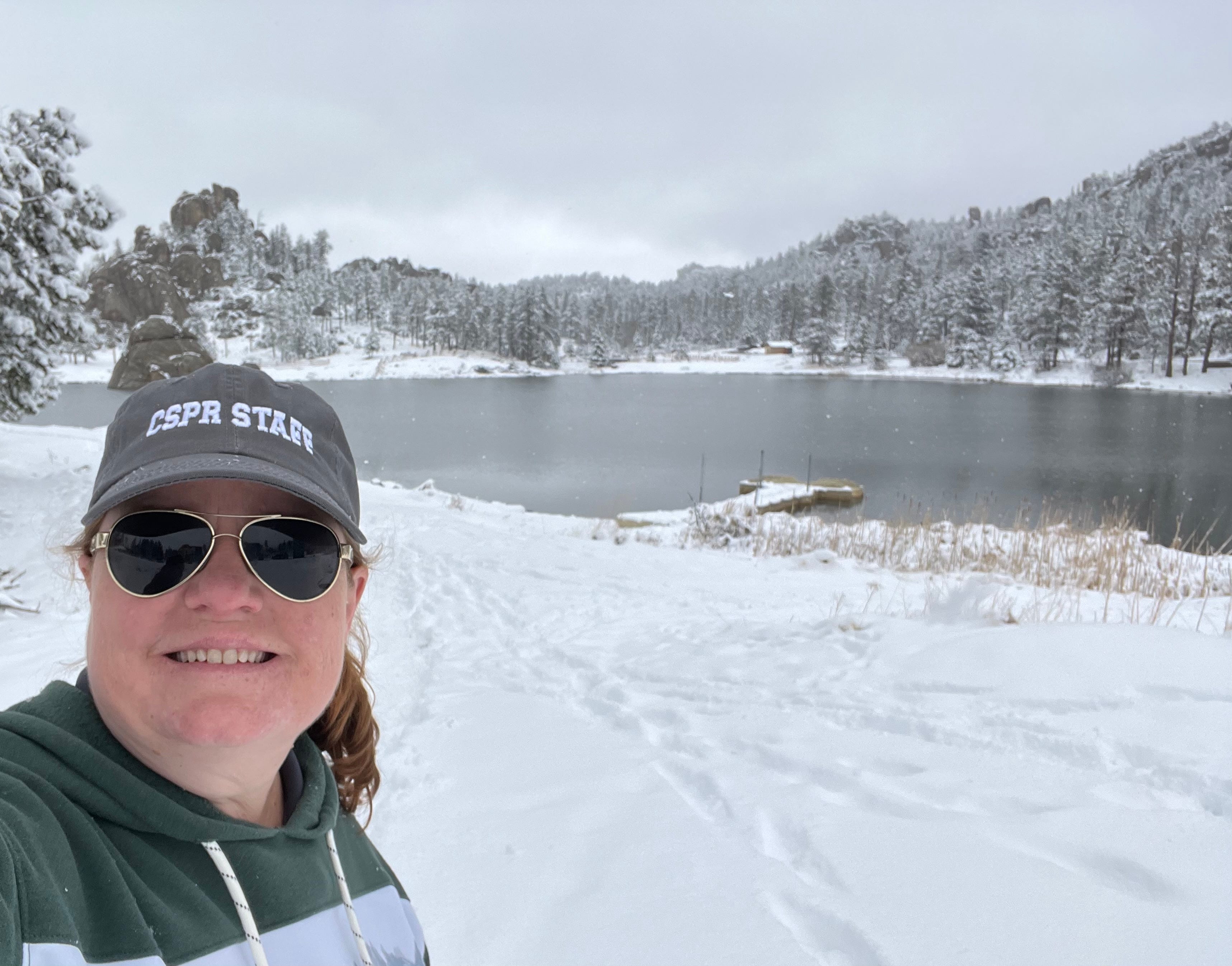
It didn’t feel like a grand opening. It felt like figuring it out in real time.
People came in anyway. Some from all over. Some just passing through.
The first night we closed, the manager walked me through the process.
When it came time to count the tills, he had me do it while he stood there watching.
I could feel it immediately. Not pressure exactly, just awareness. Every bill, every count, knowing someone else was following along.
We ended up fifty cents short.
He didn’t seem concerned. Said anything under a dollar wasn’t worth worrying about. We moved on.
The next night, I did it again.
Same process. Same counts.
This time he wasn’t standing over my shoulder. Still there, just not watching as closely.
I found the fifty cents.
I had miscounted the first night.
What a way to start.
By the time my first day off finally came around, I had plans. A quick trip into Rapid City. Shoes and clothes for work. Maybe the Badlands.
My car battery was dead.
Seven days in, first day off, and that’s how it started.
It had been sitting all week while I poured everything into the store. Short trips. No real movement. No time to recharge.
The same machine that felt so heavy and steady in the Kansas wind was suddenly just a silent, cold box of metal.
I hadn’t really thought about it until then.
We jumped it, I replaced the battery, and the day moved on.
For a few minutes at a time, I know exactly what I’m doing.
And then I don’t.
There was a moment this week where I caught myself slipping into something familiar. Watching closely. Trying to anticipate. Filling in gaps that hadn’t been clearly defined. Not because anyone asked me to. Because that’s what I know how to do.
Normally, I’d start comparing notes with other people. Trying to make sense of it together. Figuring out what wasn’t working. Pulling people into it.
This time, I didn’t.
I kept my head down and kept working. Not because I wasn’t frustrated, but because I wanted to see what it looked like to stay out of it.
Somewhere in the middle of all of it, I said something.
Not a big moment. The manager was opening the boxes we had just spent three days packing.
“Oh, I always mix the sizes,” he said. “That way we don’t have to pull a separate box for each size.”
I took a breath, felt the cold air from the open door hit the back of my neck, and just looked at the boxes.
“Well,” I said, “that would have been nice to know when we were packing them.”
It wasn’t confrontational. Just matter-of-fact.
But it landed.
After that, there was more direction. Clearer expectations. Less guessing.
Not perfect. But different.
I went back to the boxes.
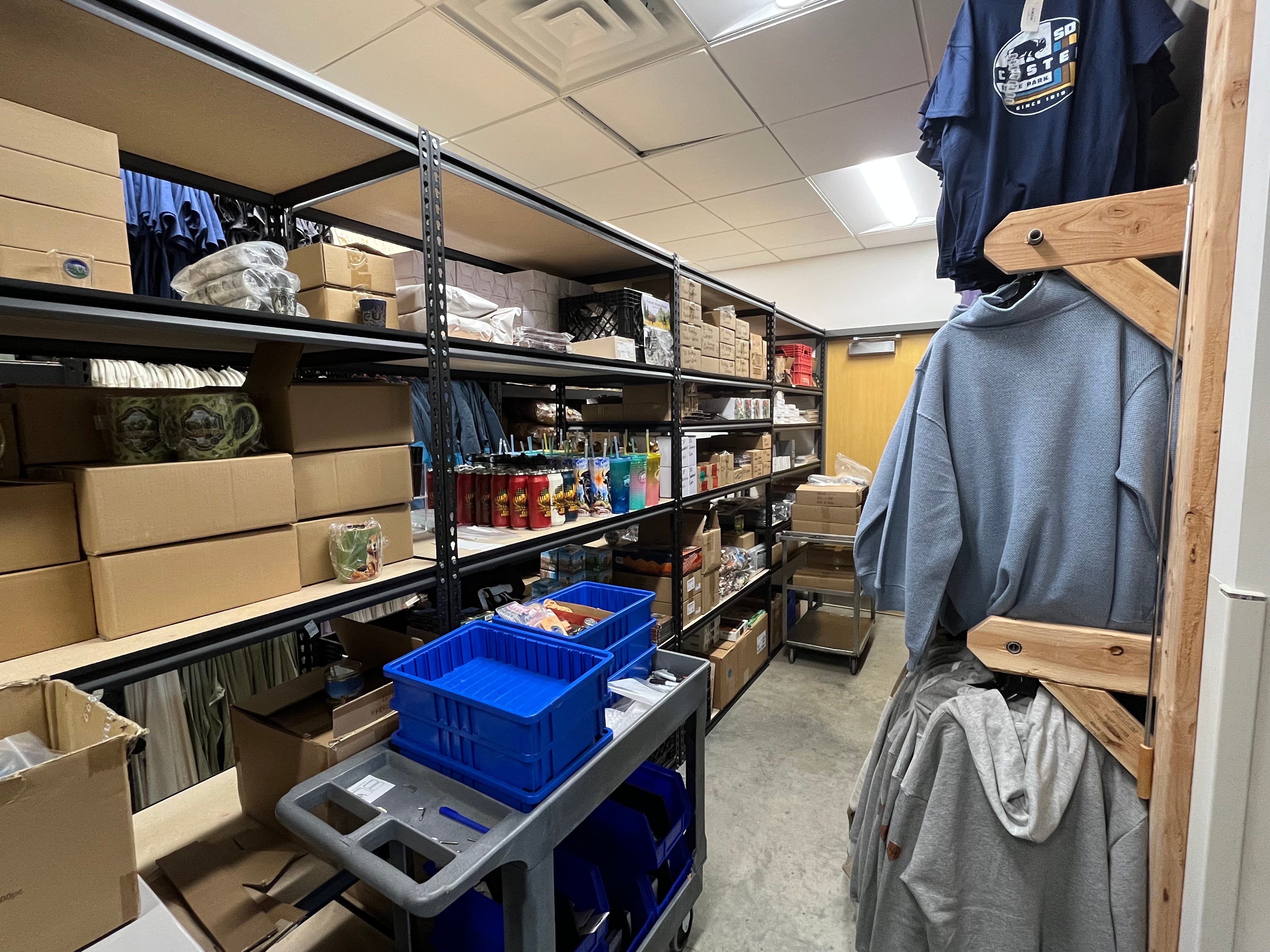
Same store. Same work. Same uncertainty.
But it felt slightly different.
Not because everything was fixed.
Just because I had finally said something.
This is the second piece in The South Dakota Chronicles—writing from inside this transition as it’s happening, not after it’s figured out. Free subscribers get the story. Paid subscribers get the real-time patterns—the ones I catch early and the ones I almost fall back into. That part starts below.
If you want to follow along as I figure out what this summer becomes, you can subscribe here.
There’s another layer to the battery I didn’t fully write about above.
It’s not really about the battery.
It’s about a pattern I’ve carried for years.
And why I didn’t act on it sooner.
What follows is the part I’m only sharing with paid subscribers.